
About Morocco
Country Demographics
- Arab Name: Al Maghreb ("The West")
- Political Capital: Rabat
- Economic Capital: Casablanca (the largest city in population and physical scale)
- Political Leader: King Mohammed VI; Constitutional Monarchy
- Area: 445,050 km2
- Population: 34 million
- Official Language: Arabic
- Popular Spoken Languages: Dialectal Arabic, Berber, French, and Spanish. Many Moroccans can effectively communicate in English, German, Italian and other languages. English was recently added to High School curriculum.
- Religion: Islam
- Money: Dirham
- Calling Code: 212
- Electrical Voltage: 220v, sockets take 2-pronged European style plugs.
- Health: No vaccinations are required for Morocco travel. It is advisable to drink bottled water
Getting to Morocco
Morocco has many International Airports:- Mohamed V Casablanca - the biggest airport in Morocco serving many International flights not only from Europe but from around the world. There are direct flights from Unites States (New York) as well as Canada (Montreal) with Royal Air Maroc (Delta). Many daily flights arriving from Europe and Middle East (CMN)
- Menara Airport in Marrakech - popular International airport with many low cost airlines arriving from major European Cities (RAK)
- Agadir, major International airport serving major and low cost airlines operating flights from many destinations in Europe
- Tangier another important International Airport
- Saiss, Fes International airport - the growing airport in size and amount of flights receiving.
- There are also wide small airports throughout Morocco that offer a great way to get around the country. Among some of the popular once are Ouarzazate, Al Hoceima, Dakhla, Errachidia and others
There are many ferry companies serving the ports and it is not obligatory to purchase tickets in advance but during the summer months might be recommend it. The frequency of ferries is about one for each half hour.
Please note that there are TWO ports in Tanger. The old port is located in the town, about 5 minutes taxi drive to the train station serving ferries arriving and departing from Tarifa. The new port MED is located about 45 minutes from the city of Tangier. It is much more busier port as all International ferries are arriving to this port. There is a bus free of charge that connects both ports. The shuttle operates every hour from 10:00am until 0:00. The coach is white and all that is needed is your ferry ticket. The shuttle operates in both directions.
Money
The currency of Morocco is Dirham (MAD). Dirham is not traded internationally and therefore you can not legally obtain Dirham outside of Morocco. It is very difficult and the exchange rate is high. The easiest way to obtain Dirham is through ATM machines while touring Morocco, a common fixture anywhere in the country. There are also plenty of Exchange bureau in all major cities as well as at the airport upon arrival. We strongly recommend to sell your dirhams before you leave Morocco as you will not be able to trade them after return to your country. Euros are widely accept it in Morocco as payment, but the remaining change might be return to you in Dirhams. Credit cards are accepted at main tourist centers with a surcharge of about 5% drawn from Moroccan based businesses. For currency convert you can use universal currency converter.
Visas
Citizen of USA and European Union, Canada, Australia, New Zealand and others do not need a visa to enter Morocco for a stay less than three months. Visitors on their morocco travel are required to have taken possession their current passports for no less than six months prior to their date of entry. Upon entry to Morocco, visitors are required to fill out a landing card with an address of residence while staying in Morocco. For more information go to Visa and Passport info for when travelling to Morocco.
Traveling around Morocco
Traveling by train in Morocco is efficient, cheap and comfortable. We believe it is a better option than travelling by bus. Overnight express trains are available to select destinations (Tangier to Marrakech, etc..). For schedules and fares go to National Office of the Railroads of Morocco.
Morocco travel for long distance buses are usually air-conditioned and comfortable Tickets can be purchased at the bus depots. The most popular bus company are Supratours, CTM and SATAS.
Petit (in town) or grand (between towns) taxis should have a meter reader to gauge fares. Otherwise, negotiate the price in advance. Be clear and upfront with drivers to establish a fair cost and prevent gauging.
The minimum driving age is 21. Moroccan roads are patrolled by police and customs roadblocks are not uncommon. Car hire in Morocco can be expensive.
Royal Air Maroc connects Casablanca with many airports such as Ouarzazate, Zagora, Errachidia, Agadir, Dakhla, Tangier and many others. Some cities are connected by several daily flights others by one flight a day or even only 2 or 3 times flights a week.
Dress Code
While Morocco welcomes all visitors, it is an Islamic country and following cultural standards of modesty is advisable to prevent problems during your stay.
However, in major cities Agadir, Casablanca, Rabat, Marrakech women and men often wear dress as they would be in New York or any other Western City. The locals are use to seeing tourists and therefore it is not an issue. But in the rural areas we recommend to follow local traditions and dress more modestly.
Wearing short skirts (to your knee is fine), short pants, and tight clothing is not recommended - especially in small towns and rural areas. Legs and shoulders are considered private body parts in Morocco and should be kept covered. On your morocco travel in the bigger cities locals are use to seeing tourist in shorts, skirts and tank tops.
In the hot summer months wearing light, loose, cotton or linen clothing is advised. A hat or turban is a must to protect the head against the heat and sun. In autumn and spring a light jacket or fleece is recommended; the evenings can be quite cool. In winter, warm clothing is a must.
Tipping
Tipping is common and expected for most services. A gratuity of 10% to 15% in restaurants is the norm for good service (if it is not included in the bill-make sure to ask). If you would like to take a picture of the locals, be courteous and ask permission first. You might be asked to tip for this as well.
If traveling in Morocco in an organize tour tip is also required for your driver and any guides, we advice from 8 to 10% depending on your satisfaction.
For trekking and city guides we recommend about 300 to 500 Dirhams.
We discourage to tip children for any reason. You might see children running towards your car, waving at you demanding candy, pens or even money. Please note that it is a very bad habit as they guard the roads instead of being in school. If you like to give we recommend to donate to local schools and other organization.
Shopping & Bargaining
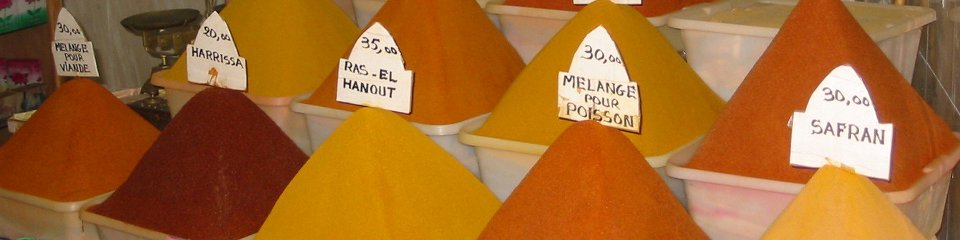
Shopping in Morocco is an exceptionally unique experience. There are many beautiful items to be found: exotic Moroccan carpets, spices, textile & yarn, metal ware, jewelry, woodwork and much more. Shopkeepers are very skilled at bargaining. The original asking price for an item might be several times higher to its potential selling price and you are expected to participate in the verbal contest of bartering before buying. Otherwise, you will pay several times what a local Moroccan would and possibly purchase an item you don't even want! Stick to your guts, be patient and pay only what you think is fair. Bartering is the way to buy in Morocco. Don't be afraid to walk away if you feel you have reached your limit!
Weather
The geography of Morocco is diverse, from notable seasonal variations on the Mediterranean coast to the hot, arid, desert and mountains to the south. The wet season spans from November to March, but rain is mainly found in coastal areas. Morocco's mountains have cooler climates year round. In the winter months, the mountains are capped by snow.
Many guide books recommend visiting Morocco from March to May and then again in September and October. We feel that the climate in Morocco offers something for everyone at all times of the year. If you travel to Morocco during hot summer months we encourage to visit the lovely coastal town of Essaouira, Agadir or North Coast. It is also good time to go trekking in the High Atlas Mountains.
The winter months of January and February can be quite cold anywhere in Morocco but it is a good time to travel as there are fewer tourists, sunny warm days in Marrakech contrasting with the snowy Atlas Mountains in the background. The desert during the day is warm is well, but since the sand does not hold any heat the nights are cold.
The annual average temperature for these cities:
- Marrakech 71F
- Fez 66 F
- Cassablanca 69F
- Ouarzazate 647F
Culture
Morocco is one of the most liberal Islamic countries - but you should respect and be sensitive to their customs and restrictions. The main restriction a tourist will encounter is banned entry into the mosques if you are not a Muslim. This is unfortunate, as many mosques feature beautiful artistry of design. There are a few note-worthy exceptions: the Hassan II in Cassablanca, Mohammed V Mausoleum in Rabat, and Moulay Ismail Mausoleum in Meknes are open to all visitors.
During the month of Ramadan, when the believers fast each day until sunset, you will have a few more challenges than tourists visiting at other times as many establishments for food and drink will be closed. Not to worry; you still will be able to find many places open to eat during the day.
In Islamic countries it is forbidden to drink alcohol. As Morocco is a favorite tourist destination, restrictions have been relaxed and alcohol is served in many bars, hotels and restaurants. You should not offer alcohol to Muslim although, many young and westernized Moroccans drink alcohol.
Please also dress respectfully.
Food & Drink
Morocco is famous for its cuisine. Tajine, a flavorful dish of either meat or chicken baked with seasonings in a cone-shaped clay cooking vessel is the national dish. Kefta is lamb or beef stew. Couscous is a grain-sized semolina wheat pasta served with vegetables or fish or meat.
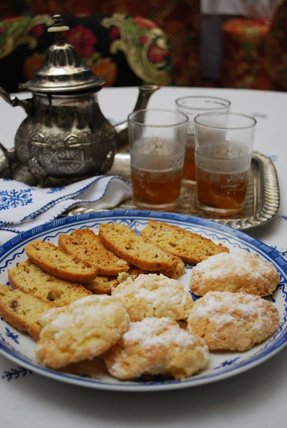
Salads are very common in Morocco and are usually very good. Be aware that salads and all raw foods can harbor "bad bacteria", so take care before you partake in uncooked foods. Seafood (calamari, sole, shrimp) served near the ocean is very good, fresh and cooked to order. The best way to relax in Morocco? Follow local custom and kick back with a refreshing cup of mint tea - served with lot of sugar!
Also we recommend trying the fruit juices! The most popular is fresh squeezed orange juice, but other juices are equally good and offer an exotic option.
As mentioned before, alcohol is available but it will probably be a little pricey.
We recommend buying bottle water; don't drink water from the tap.
If you are are following special diet restriction Vegetarian, Lactose or Gluten Intolerant or any other, please advice your Morocco tour operator or riad before your travel and there are meals that can accommodate you.
We can arrange lunch or dinner with local families if you are interested on your tour of Morocco. But please note that you will typically sit on the floor and eat from a communal plate, place in the middle of small table. Local people eat by hands and if you do please use your right hand only. However, if you need you can always ask for spoon or fork.
It often happens, especially to inexperience travelers that they do get upset stomach while on morocco tour. It generally pass within 24 hours. Drink plenty of water, eat well cook and simple food (rice) and it will pass. You then join the ranks of world traveled experts with a congratulation to your stomach.
Alcohol
In spite of Morocco being a Muslim country, alcohol is widely available. You will notice that majority of hotels and riads in the old parts of cities, medina offer alcoholic beverages. In the modern part of the cities bars, restaurants and hotels owned by foreigners or attended by tourists will serve alcohol. That is also true for establishments outside of cities. Most hotels and auberges have bars where they serve alcohol.
Hotels/Accommodation
Morocco has very unique style of accommodation from riads, auberges to big hotels. They are all matter of choice as well as budget. Morocco has very high end accommodation offering extreme luxury to budget hotels and hostels.
Riads offer an authentic stay during your Morocco vacation. They are located in the old medina of the Imperial cities. Riads have central courtyard and rooms are built along it. Windows are facing to the courtyard instead to the streets. They are usually small about 6 room, charming where meals can be serve in inner patio or roof terrace. Most riads are small to have swimming pool, but some have plunge pools to cool yourself during the hot summer months. Some riads are large as they are the old merchant house or palaces and have lavish rooms and opulent gardens.
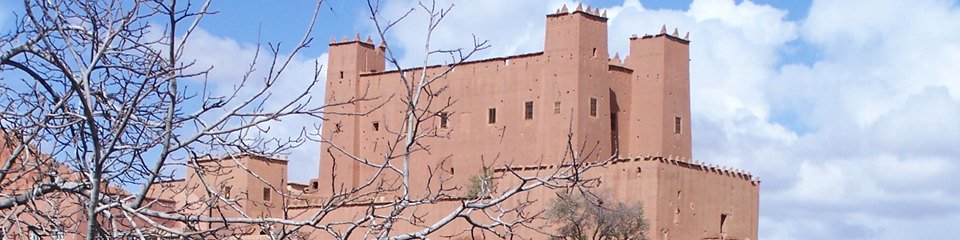
Auberges are find the rural areas and small towns built with mud in the Kasbah style. They offer comfortable and pleasant stay.
Gite d'etape are countries bed and breakfast or hostel style of accommodation. They are mainly use in the mountains by trekkers where good meal, hot shower and roof over their heads instead of camping is provided.
On our tours of Morocco we choose traditional riads, auberges, hotels and camel wool tents among the Nomads. We select them carefully and each has its own spectacular beauty to enrich your Morocco experience. We can also arrange stay with local Berber family to enrich your Morocco tour experience.
Safety
Morocco is safe country and violent crime is not considered a major problem. There have been some incidents of theft in major cities and beaches. Use precautions to keep yourself and your property safe. Morocco travel with a companion, avoid badly lit streets at night, and mind your person at all times. Guides offering their services should display an official badge issued by the local authorities.
Health
Most cities have private clinics along with governmental hospitals. It is recommended to come to Morocco with full medical insurance, including cover for repatriation. All services will be charged immediately, except in extreme cases where need is emergency. Pharmacies are widely available and sell many medicines and contraceptives. But we recommend to bring stomach settlers, insect bite creams, pain relievers at home and taken with you. No vaccination is required by the Moroccan government for entry into the country.
Telephones & Sim Cars
There are three main license telecommunications companies in Morocco, Maroc Telecom, Meditel and Inwi. They all sell prepaid Sim cards and will work on your phone as long as your mobile telephone is unlock. You can buy SIM cards for most phones, but the mini SIM card for iPhone 5 is still not yet available. Date services is expensive unlike the calling SIM cards and the best is to use Internet in Morocco in cafes, hotels and possible via bluetooth if you are on our Morocco tour. Many of our drivers have data service available on their mobiles.
Language
The official language is Arabic. In addition to the official language, about 10 million Moroccans (mostly in rural communities) speak Berber. French is popular and is the third most widely spoken unofficial language; it is the main language of business and commerce and it is used in education and government. Spanish is spoken in the Northern part of the country. Western visitors will find English spoken in popular tourist destinations.
Internet
Majority of hotels and riads have Wi-Fi available on their property. There are also many Internet cafes available almost anywhere in Morocco. Internet access is inexpensive around 10Dh an hour. Internet is not as efficient, fast as in European countries. There is 3G available only but Morocco is looking for someone that can provide 4G to the country. Getting SIM card with data upon arrival is not very effective and it is preferred to use the hotels wifi. Note that many of our drivers have 3G available on their phones and are able to pass it to you over the Bluetooth while on tour.
Trekking in Sahara desert
Your guides will advise you of what you should bring for a desert excursion. The following list includes the basic essentials needed on a trekking trip in the Sahara desert:
- Sleeping bag, recommended for tours for more than 2 nights
- Warm clothing for evenings and nights in winter, during day it is still agreeable (T-Shirt)
- Chech: To protect you face against wind and sun
- Pocket knife
- Sneakers (preferred over hiking boots. Avoid heavy trekking shoes on camels) and extra socks
- Strong sun block, lip balm, UV safe sun glasses, a portable first aid kit, canteen of water
- Something to read, a journal for writing.
Useful Websites
About Morocco
- Country Demographics
- Getting to Morocco
- Money
- Visas
- Traveling around Morocco
- Dress code
- Tipping
- Shopping & Bargaining
- Weather
- Culture
- Food & Drink
- Hotels/Accommodation
- Alcohol
- Safety
- Health
- Telephones & Sim Cards
- Language
- Internet
- Trekking in Sahara desert
- Useful websites




https://www.your-morocco-tour.com/about-morocco#sigFreeId895f7d6160